 - Western Australia is home to around 540 species of birds, of these 15 are endemic to the state
- In the past 200 years 17 different Australian mammals have become extinct
- Australia has more endangered species than any other continent and those species include the Tasmanian tiger, the Greater Bilby, the Numbat, Leadbeater's Possum, Bandicoot, Lumholtz's Tree- kangaroo, the Australian sea-lion and the Dugong
- Common marsupials include kangaroos, wallabies, wombats, possums and bandicoots
- Dugongs, dolphins and whales are found in coastal waters. Many of the offshore islands have seal and penguin populations
- Skinks and snakes, each represented by well in excess of 100 species, are the most plentiful of Western Australia’s reptiles.
- The flora of Western Australia comprises 9,437 published native vascular plant species of 1,543 genera within 226 families
- There are 1,171 naturalised alien or invasive plant species known as weeds 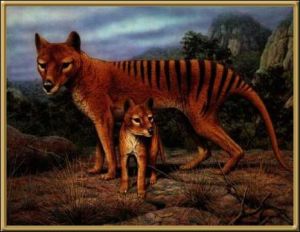 |
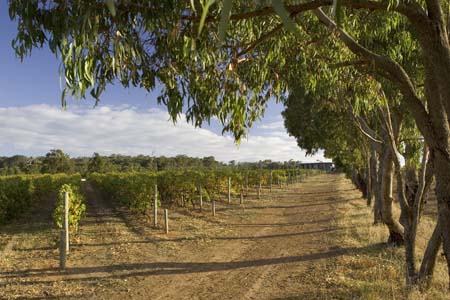
 - The southwest coastal area is relatively temperate and was originally heavily forested
- This agricultural region of Western Australia is in the top nine terrestrial habitats for terrestrial biodiversity, with a higher proportion of endemic species than most other equivalent regions
- Due to the offshore Leeuwin Current the area numbers in the top six regions for marine biodiversity, containing the most southerly coral reefs in the world
- Average annual rainfall varies from 12 in at the edge of the Wheatbelt region to 55 in in the wettest areas near Northcliffe
- In the months of November to March evaporation exceeds rainfall, and it is generally very dry
- The central 4/5 of the state is semi-arid or desert
- The Kimberley has an extremely hot monsoonal climate with average annual rainfall ranging from 20-60 in with a very long almost rainless season from April to November
- Highest temperature recorded was 122.9 degrees at Mardie, Philara and the lowest recorded was 19.0 degrees at Eyre Bird Observatory 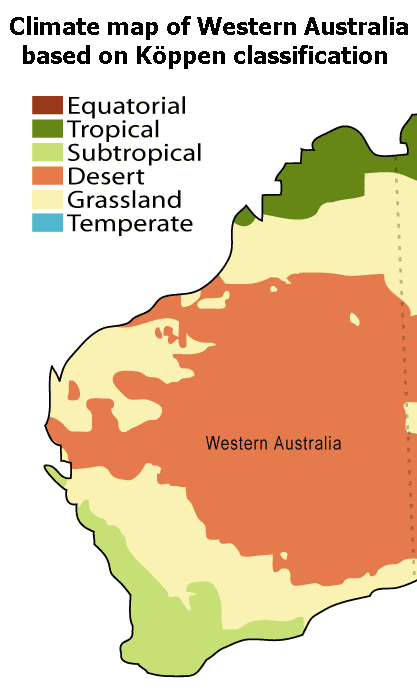 |
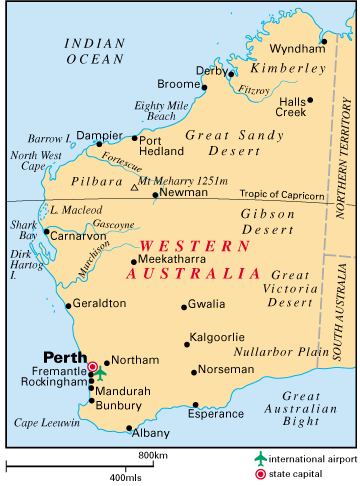
 -Western Australia is bounded by South Australia and the Northern Territory to the east, and the Indian Ocean to the west and north
-The extreme age of the landscape has meant that the soils are remarkably infertile and frequently laterised
-Soils derived from extensive sandplains or ironstone are even less fertile, being even more devoid of soluble phosphate and also deficient in zinc, copper, molybdenum and sometimes potassium and calcium
-The infertility of most of the soils has required heavy inputs of chemical fertilizers particularly superphosphate, insecticides and herbicides which has done great damage to the fertile soil
-Largescale land clearing for agriculture and forestry has damaged habitats for native flora and fauna
-The South West region of the state has a higher concentration of rare, threatened or endangered flora and fauna than many areas of Australia, making it one of the worlds biodiversity "hot spots"   |
