 |
||
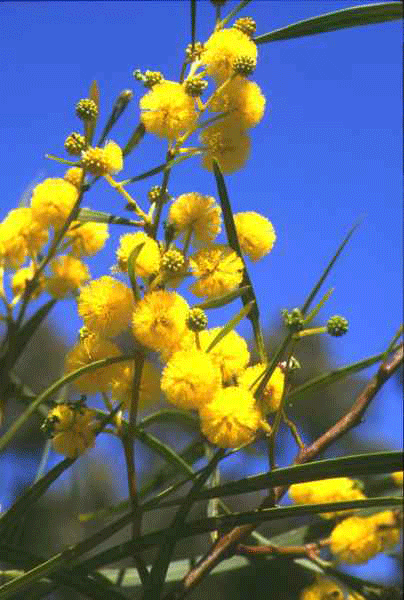 - Only 10 percent of the state is still covered in forest. - Dominant species are evergreen eucalytus and acacias. - The rich bird life includes many species of parrot and cockatoo, the flightless emu, the mound-building scrub birds, and mallee fowl. - Marsupials include the koala, the wombat, the kangaroo and wallaby, the common and ring-tailed possums, the bandicots and many others. - Kangaroos and wallabies are plentiful, but most species are under threat from environmental change. - Several species of poisonous snakes abound, including black, brown and tiger snakes and the death adder. - There are also two poisonous spiders the red-back and the funnel-web. 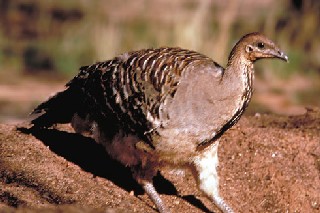 |
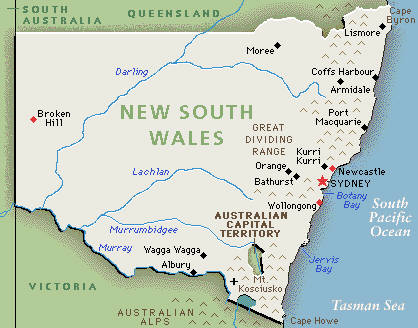
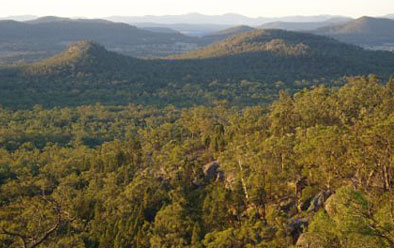 -As a result of bare monocropping of wheat, overgrazing, and the clearing of trees and natural vegetation, more than three-quarters of the soils in New South Wales suffer from degradation and gullying. - New South Wales has generally mild climate. - About 12 percent of the state receives less than 10 inches of rainfall a year. About 22 percent receive between 10 and 15 inches. - Precipitation is highest with the orographic effect of the rise to the tablelands but generally declines westward.  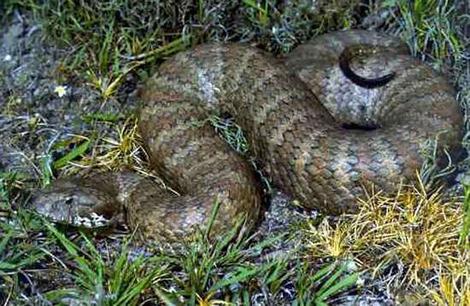 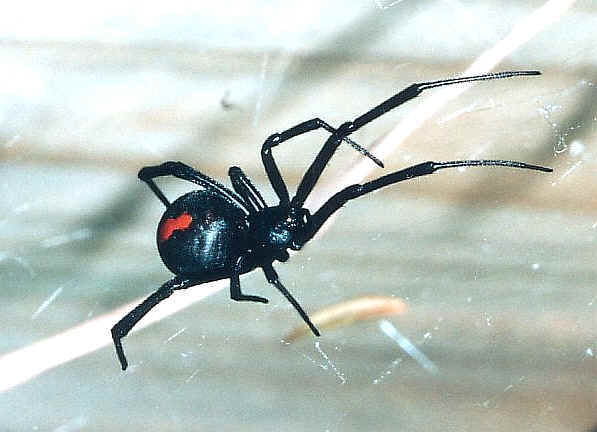 |
|
