Land and Climate

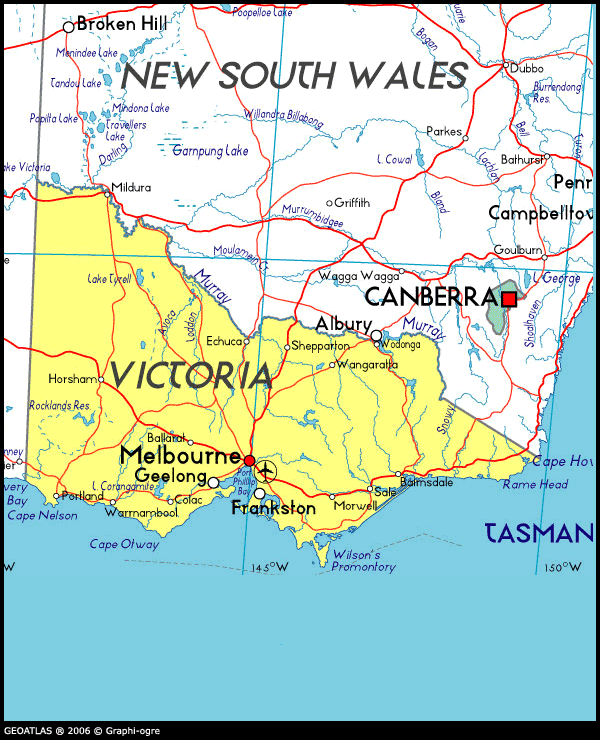
- Australia's main river, the Murray, flows along nearly the entire length of Victoria's northern border.


- The soils and climate along the rivers bank offer reliable conditions for farming.


- Lack of water and wind-erosion hazards in the extreme northwest of the state and in the Big Desert make conditions to difficult for farming.


- The easterly passage of anticyclones and depressions is the main determinant of weather for most of Victoria.


- The lowest-lying, driest parts of the Mallee usually receive less than 12 inches of precipitation per year, while in the Wimmera the annual amount ranges from about 12 inches in the far northern region to 22 inches in the higher elevations of the south.

-
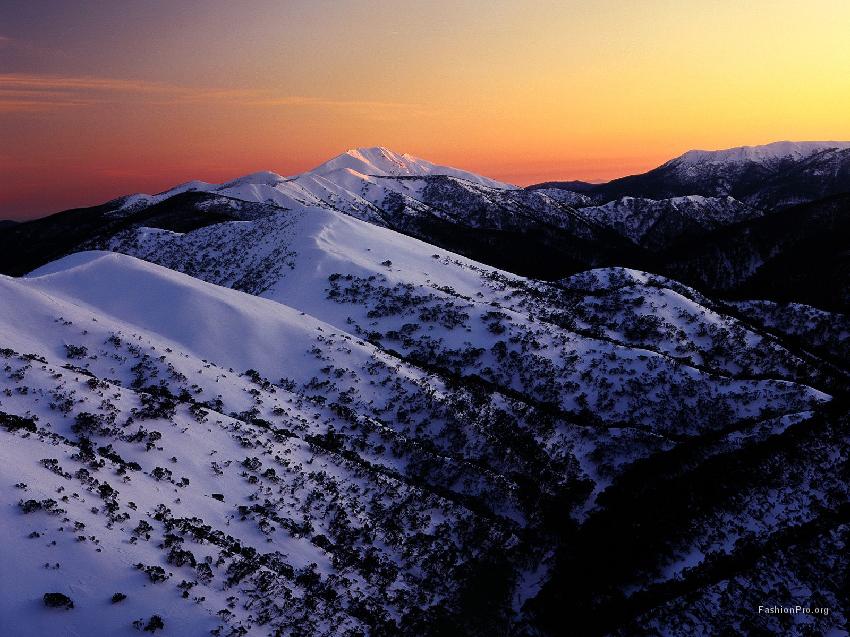
Some of the wettest areas in the mountains of the southeast may receive nearly 80 inches of precipitation in a single year, including heavy snowfall in winter.
Plant and Animal Life 

- The Flora and Fauna Guarantee Act of 1988 aims to preserve biodiversity of guaranteeing and environment that will allow all species to survive and flourish.


- More than 300 plant and animal species have been declared endangered, and all native species are protected.


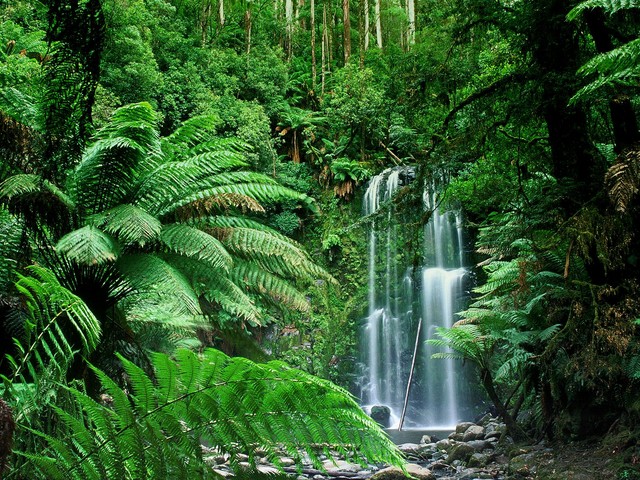
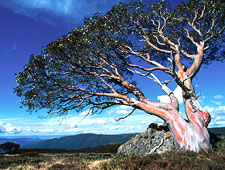
- The slopes of the eastern segment of the primary upland region have the most extensive forest, the main species being snow gum, alpine ash, and mountain ash.

- The distinctive eucalypts of this region rarely exceed 30 feet in height and are surrounded by various grasses and shrubs.

- In the sparsely vegetated sands of the Big Desert, heath, scrub cypress pine, grass tree, and other low shrubs predominate.

- Common marsupials include various kangaroos, wallabies, bandicoots and wombats.  Koalas usually inhabit wooded regions.

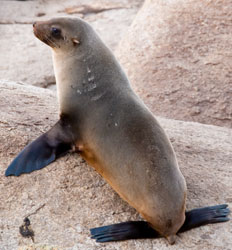
- Other native mammals include the Australian fur seal on the coast, swamp rats and flying foxes. 

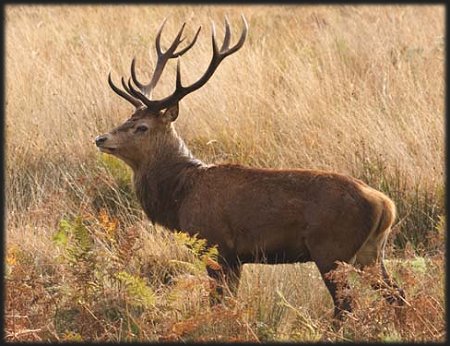
- Red deer are common in the Grampians and Otway Ranges.

- An assortment of native ducks and other waterbirds populate the wetlands and cormorants are common on the coast.

- There are several types of cockatoos in Victoria and more than 50 species of lizards and snakes have been recorded in the Big Desert.

 
Make a Free Website with Yola.